 20th May 26
Our 2026 conference: Highlights from the day
Our annual conference Belonging from the Beginning, brought together library professionals, school library services and early years practitioners for a day of shared learning, deep focused conversations and new ideas around what truly inclusive early years practice looks like.
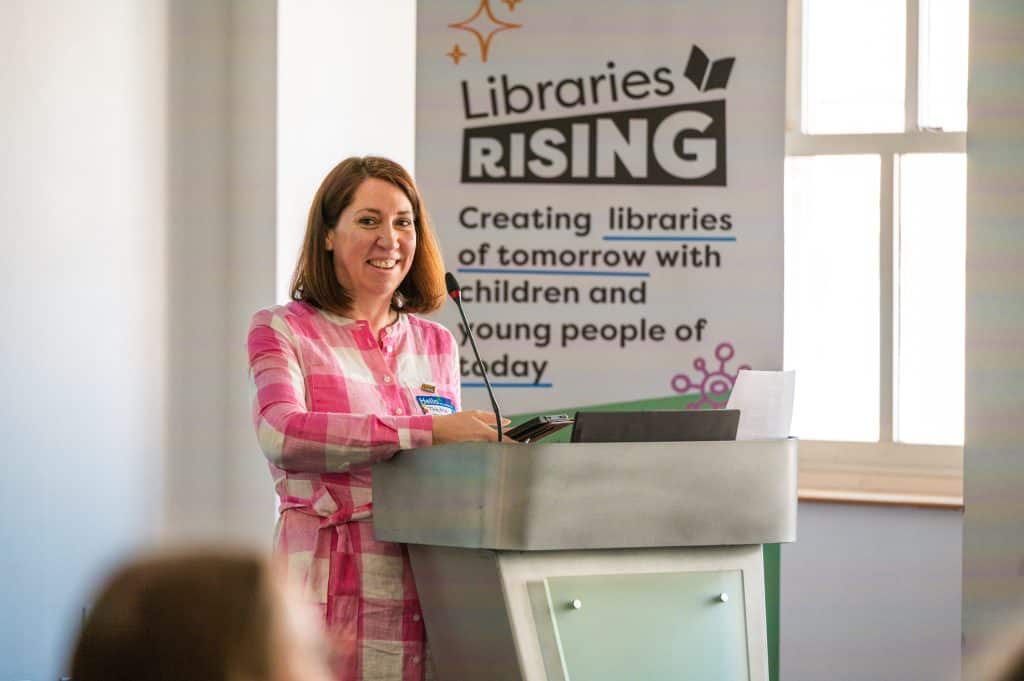
The day started with Our Chief Executive, Tabitha reminding us why early years work matters so much, especially during the National Year of Reading.
With 91% of our members identifying early years as a real strength, she reflected on the importance of creating space for the conversations that aren’t always heard and encouraged everyone to fully immerse themselves in the day.
She left us all with an important question to carry throughout the sessions:
How do we keep making libraries more inclusive for everyone?
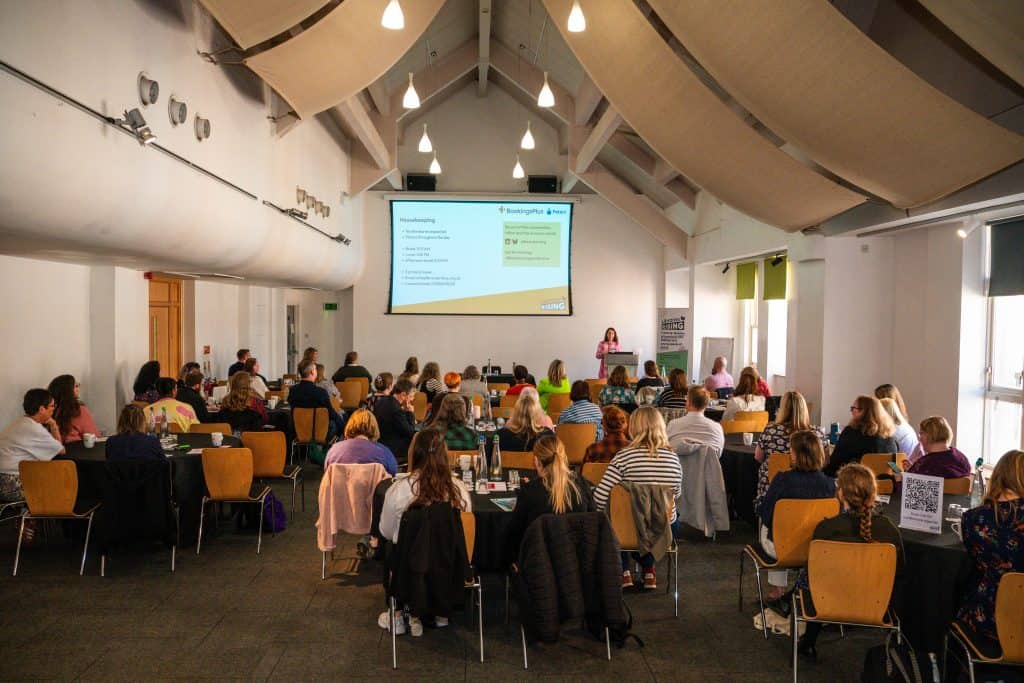
We also heard from Jack Woodley from BookingsPlus, our headline sponsor, who shared practical ideas for increasing library participation and footfall, helping to set the scene for a day focused on creating welcoming spaces where more families can connect and belong.
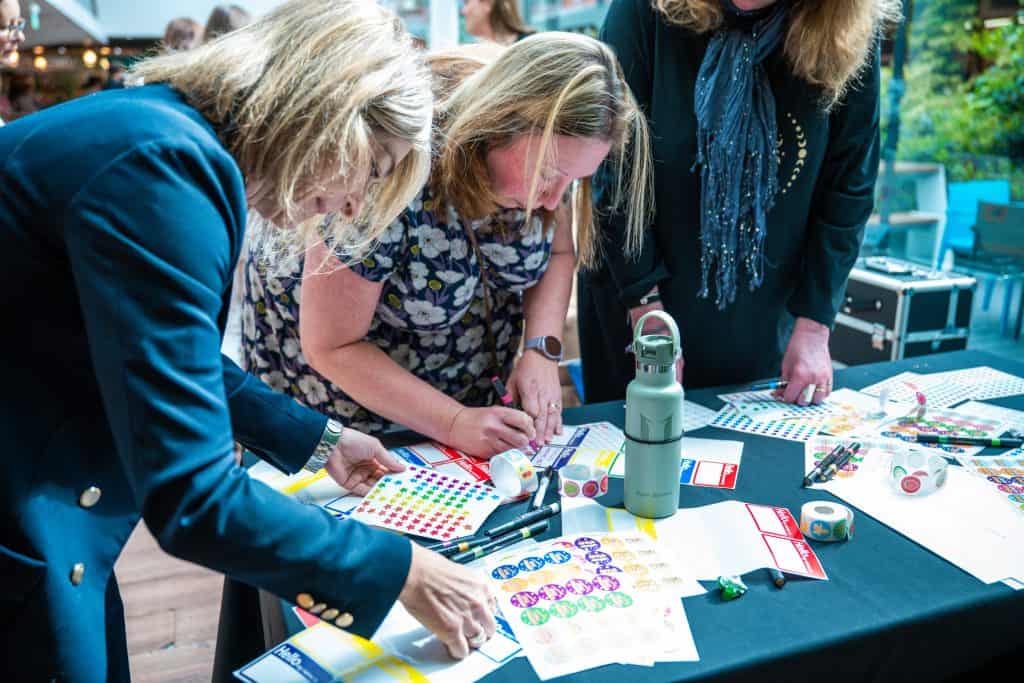
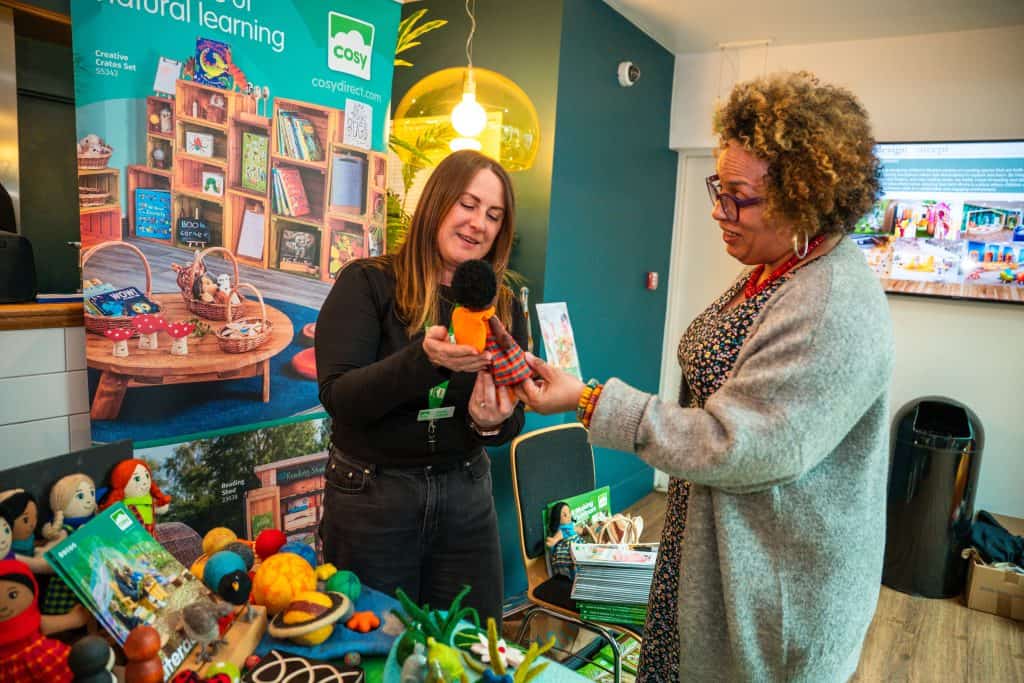
Throughout the day attendees explored our exhibitor stands, listened to speakers discussing mental health and anti-racist practice in early years, got involved in interactive workshops exploring inclusive practice and the voice of the baby and took part in discussions around the future of early years.
Read on for a more detailed look at the day:
Inclusive practice in early years libraries
One of the morning’s most memorable opening questions came from Alison and Louise from the Early Years Alliance:
Do animals make the same noise in every language?
As they played animal noises from around the world, it made everyone laugh but also encouraged everyone to think differently about how they communicate. If something as ‘simple’ as a chicken sounds different depending on where you are, it’s a good reminder that children communicate in many more ways than we often make space for.
They also introduced the RAMPS framework for hearing the voice of the child:
- Recognising children’s many languages
- Allocating space
- Making time
- Providing choice
- Subscribing to reflective practice
Their session really highlighted that listening to children means noticing, adapting and making intentional space for their voices to be heard.
Listening to the voice of the baby
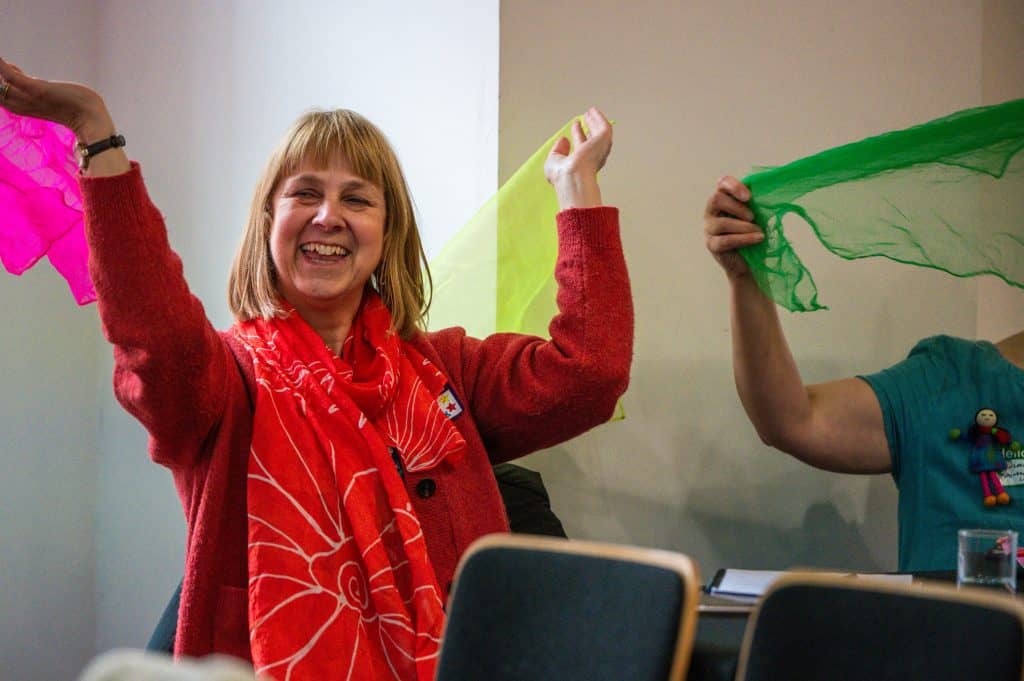
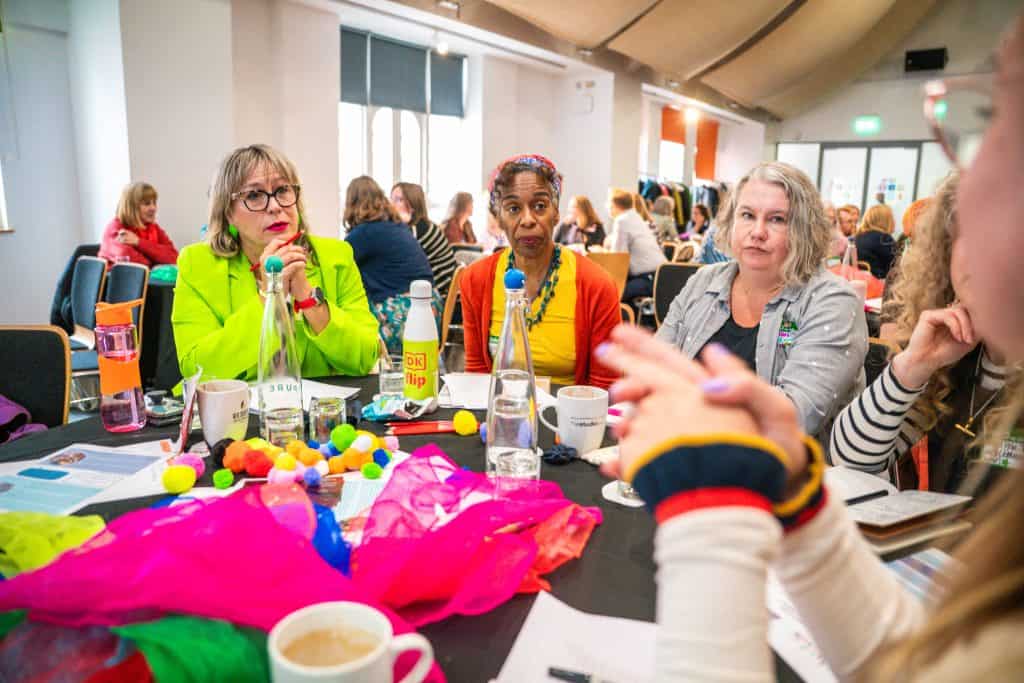
Amy Hall-Gibson from Starcatchers caught everyone’s attention with tables full of pompoms and colourful fabric, but it was her anecdotal story that created the real impact.
She shared how during a workshop she mirrored a 9 month baby’s kicking actions. The baby noticed and changed their kicking rhythm. The rest of the babies in room started to follow. A powerful anecdote of how a 9 month old influenced space.
Attendees then got stuck in experiencing schematic play for themselves, twirling scarves, squishing fabric and playing with pompoms. The experience offered a practical way to understand children’s actions and, in turn, better “hear” their voice.
Early childhood mental health
Dr Alice Haynes from Anna Freud focused on early mental health and the importance of recognising subtle cues in babies and young children.
She reminded attendees that human babies are among the most vulnerable at birth across mammals, making early relationships and responsive environments essential. Signs that may indicate difficulty include withdrawal, freezing or becoming unresponsive, back arching in babies, and extreme clinginess to a primary caregiver.
Her session also highlighted research from the University of Cambridge, positioning libraries as a universal source of support. This includes not only books, but also the environments created, the songs shared, the relationships modelled, and the connections facilitated between families.
Anti-racist practice in early years
Dr Shaddai Tembo challenged the room to think deeply about what anti-racist practice really means in early years settings.
He explored why anti-racism is still widely misunderstood, not simply about increasing representation on shelves, or only addressing racism when discrimination occurs. He also acknowledged the discomfort many professionals feel around “getting it wrong”.
A key reflection was that children actively look for people in their environment who reflect them. Resources such as Ollie’s Teacher were shared to illustrate how books can support belonging and identity.
He also encouraged attendees to think about the wider systems they operate within:
Anti-racist practice is not a one-off activity or a tick-box exercise. It has to run through everything we do.
He stressed the importance of using picture books as mirrors, and choosing stories that “flip the script” by celebrating Black and minoritised people.
The future of early years
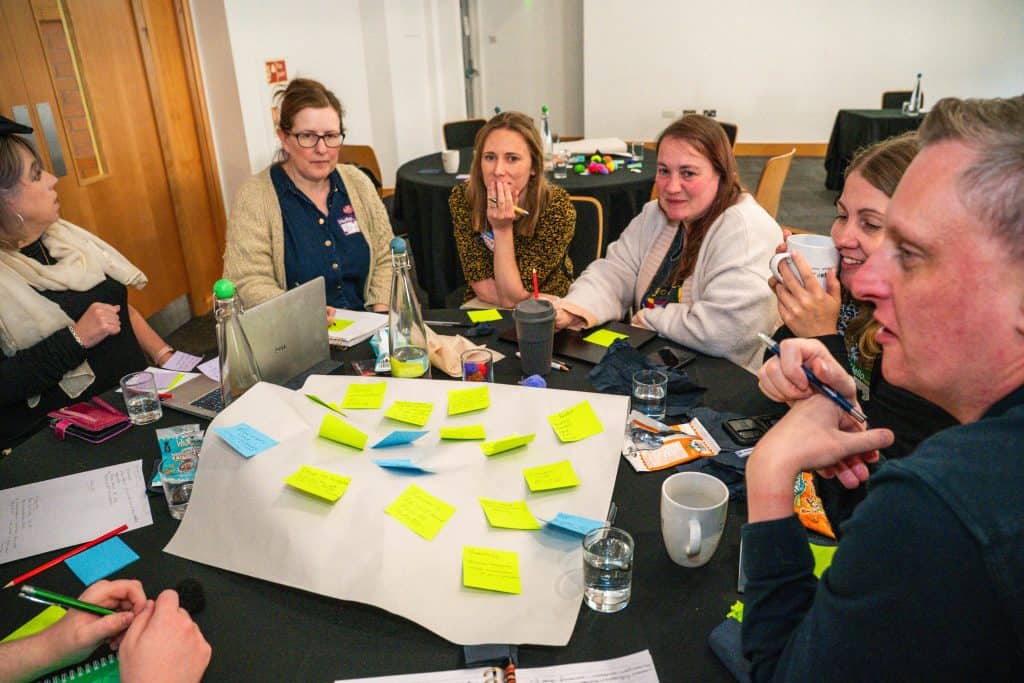
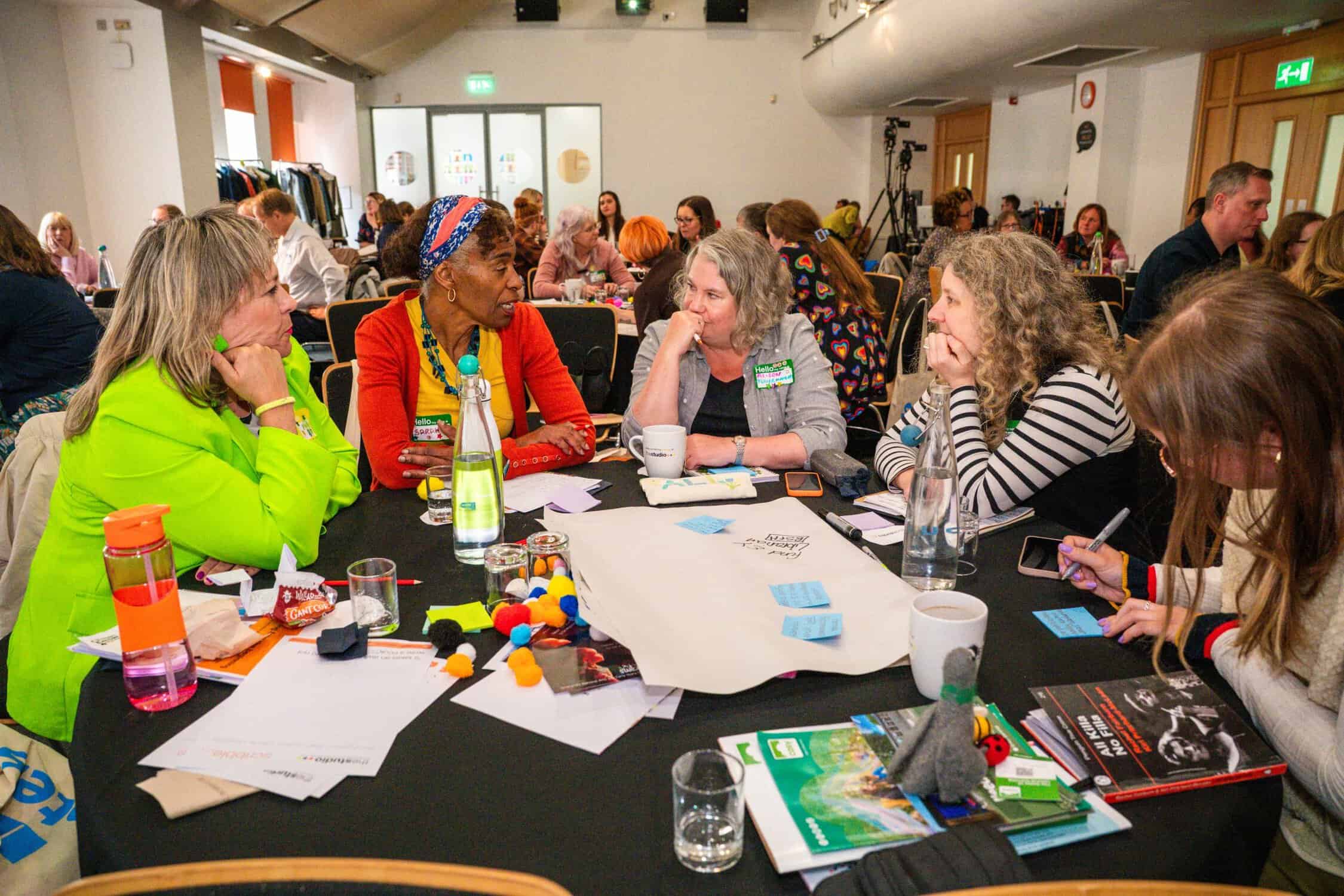
The final session of the day brought everyone together for a collaborative conversation about the future of early years in libraries and what services could be doing differently to better support children and families.
We were joined by Marc Rooney from the Department for Education’s Best Start in Life team. He encouraged everyone to think about libraries’ unique role as trusted community spaces that connect families with wider support. Chloe from Children North East also challenged attendees to consider how they can poverty-proof their libraries and programmes to ensure they are inclusive for all.
Using Canva whiteboards and flipchart paper, attendees shared the brilliant work already happening across services. This included Baby Bounce and Rhyme Time to nursery visits, Bookstart packs and partnerships with health professionals.
The conversation then turned to the future, with attendees reflecting on opportunities to strengthen staff training, build local partnerships, ask families what they need and ensure libraries are part of wider strategic conversations about giving every child the best start in life.
Tabitha opened the day by hoping everyone would leave “buzzing and fizzing” with ideas and new knowledge’. Judging by the conversations still happening as people headed home, that’s exactly what happened.
A huge thank you every speaker, contributor and attendee who shared their ideas, challenged our thinking and reminded us why this work matters so much. Also, thank you to our sponsors BookingsPlus andPeters, the day wouldn’t have been possible without your support.